Indian Spices and Their Global Demand

Indian Spices and Their Global Demand
Indian Spices: Meeting the Rising Global Demand
India, widely known as the “Land of Spices,” has earned this title through centuries of cultivating, trading, and innovating with aromatic and medicinal spices. From ancient trade routes to modern international markets, Indian spices continue to captivate global consumers with their rich flavors, health benefits, and cultural significance.
Today, as the world shifts toward natural, organic, and functional foods, the global demand for Indian spices is growing rapidly.
A Legacy Rooted in History
The spice trade has played a crucial role in shaping India’s economic and cultural history. Ancient civilizations highly valued Indian spices such as black pepper, cardamom, and cinnamon, often referring to them as “black gold.”
This rich legacy continues today, with India being one of the largest producers, consumers, and exporters of spices in the world.
Diversity of Indian Spices
India produces more than 70 varieties of spices, each offering unique flavors and health benefits. Some of the most popular Indian spices in global demand include:
Turmeric (Haldi): Known for its vibrant color and anti-inflammatory properties
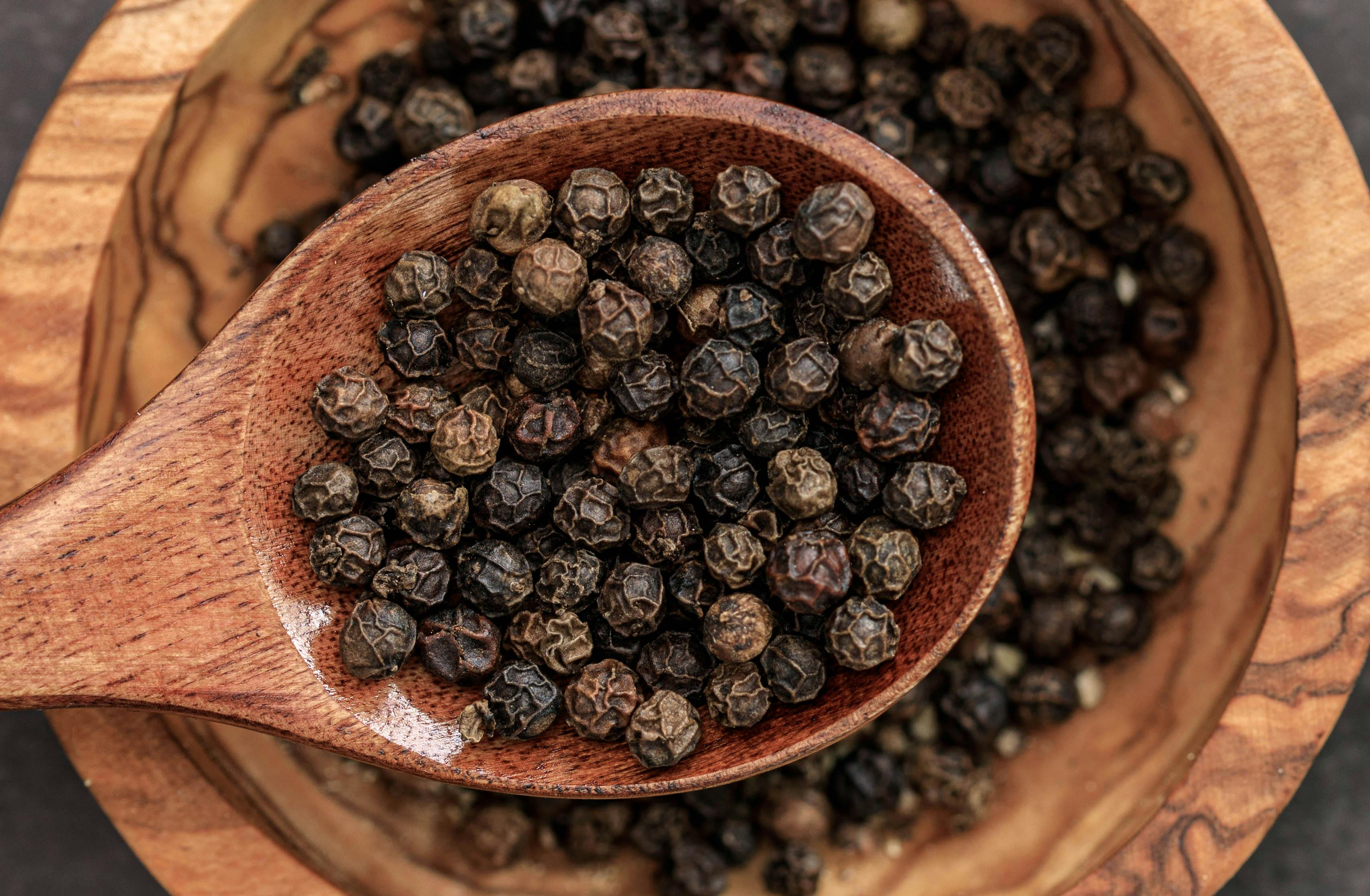
Black Pepper (Kali Mirch): Referred to as the “King of Spices”
Cardamom (Elaichi): Valued for its sweet aroma and flavor
Cumin (Jeera): Widely used in global cuisines
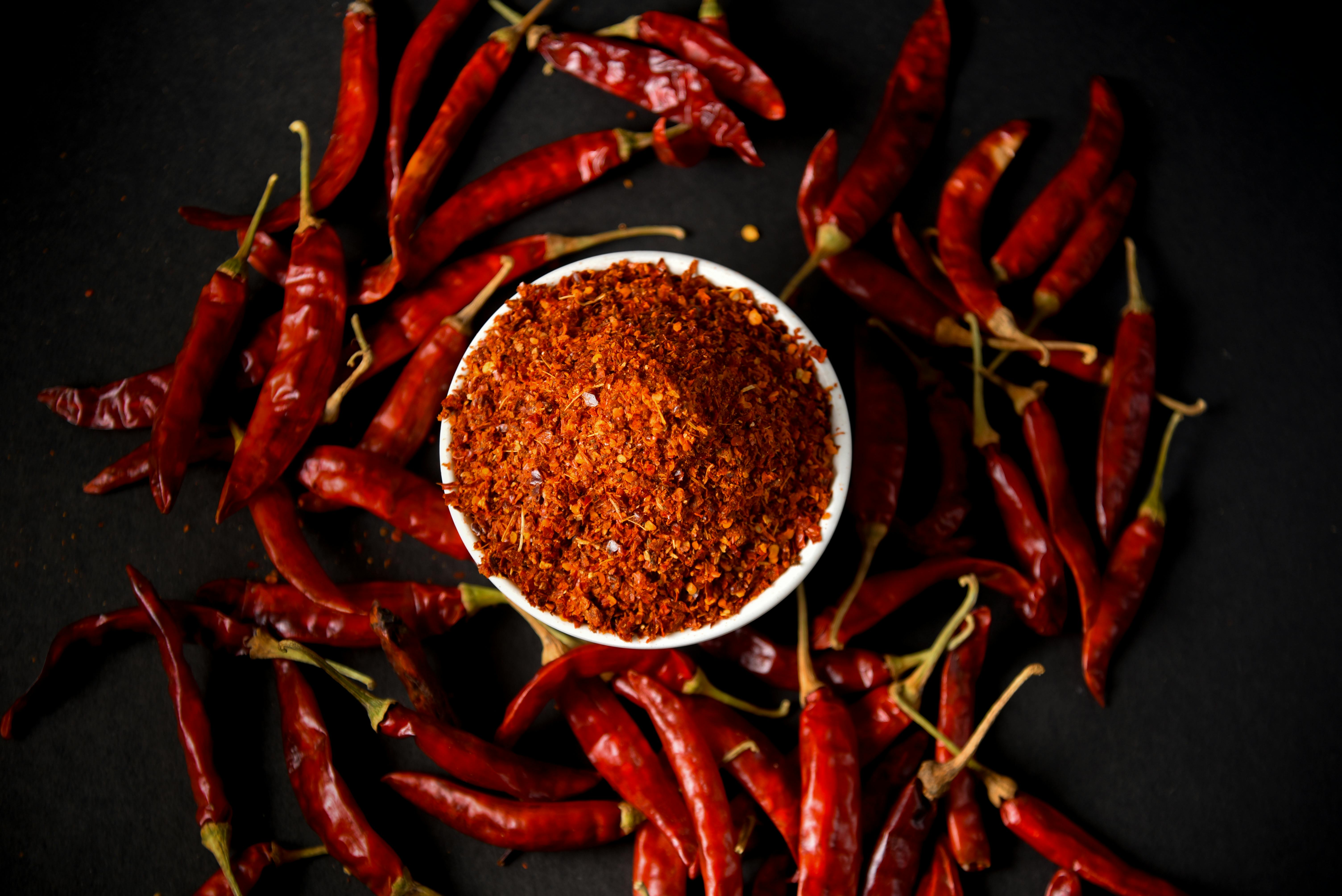
Chili (Mirch): Adds heat and depth to dishes
Cloves and Cinnamon: Essential in culinary and medicinal uses
This diversity enables India to cater to a wide range of international culinary traditions.
Key Drivers of Global Demand for Indian Spices
1. Growing Health Awareness
Consumers worldwide are increasingly choosing natural and functional foods. Indian spices, rich in antioxidants and bioactive compounds, are known to boost immunity, improve digestion, and reduce inflammation.
2. Popularity of Indian and Ethnic Cuisines
The global rise of Indian, Asian, and fusion cuisines has significantly increased demand for authentic Indian spices. Restaurants, chefs, and home cooks rely on these spices to recreate traditional flavors.
3. Demand for Organic and Sustainable Products
There is a growing preference for organic spices. India’s traditional farming methods and increasing organic certifications are helping meet this global demand.
4. Growth in Processed and Value-Added Spice Products
Spices are no longer limited to raw form. They are now available as spice blends, ready-to-use pastes, essential oils, and extracts. Popular products like curry powder, garam masala, and spice mixes are widely used in international markets.
India’s Role in the Global Spice Market
India holds a significant share in the global spice market and exports spices to over 180 countries. Major export destinations include:
United States
Europe
Middle East
Southeast Asia
Organizations like the Spices Board of India play a vital role in promoting Indian spice exports, ensuring quality standards, and supporting farmers and exporters.
Challenges in the Indian Spice Industry
Despite strong global demand, the Indian spice industry faces several challenges:
Quality consistency: Maintaining uniform standards across large volumes
Global competition: Countries like Vietnam and Indonesia are emerging competitors
Supply chain issues: Inefficiencies in storage, transportation, and processing
Strict regulations: Compliance with international food safety standards
Addressing these challenges is essential for sustained growth in global markets.
Opportunities and Future Outlook
The future of Indian spices looks highly promising due to:
Rising demand for nutraceuticals: Spices like turmeric are widely used in health supplements
Growth of e-commerce: Direct-to-consumer exports through online platforms
Innovative packaging: Enhancing shelf life and product quality
Geographical Indications (GI): Premium products like Malabar pepper and Alleppey turmeric gaining global recognition
Conclusion
Indian spices are more than just flavor enhancers — they represent heritage, health, and global connectivity. With rising international demand, India is well-positioned to lead the global spice market by delivering high-quality, diverse, and sustainable products.
By focusing on innovation, quality control, and farmer support, the Indian spice industry will continue to expand its global footprint.
“From ancient trade routes to modern kitchens, Indian spices continue to flavor the world.”

